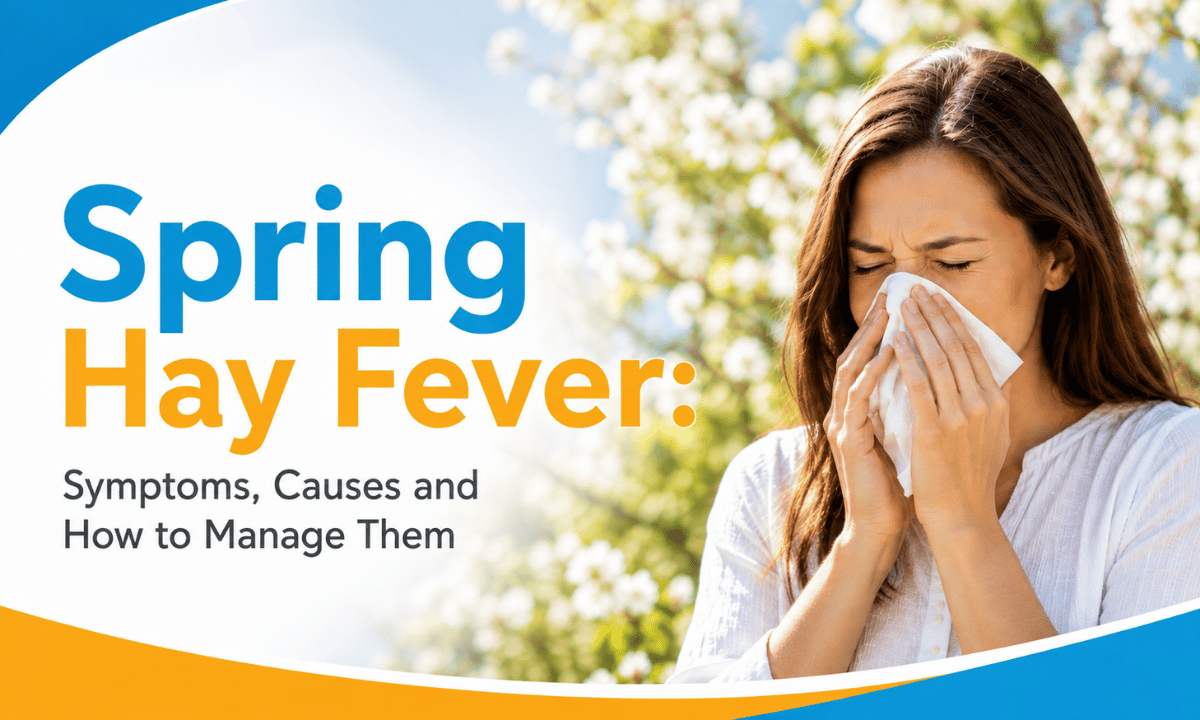
How to Defeat Hay Fever this Spring
Hay fever or allergic rhinitis can be debilitating for sufferers, if not managed well. According to the Australian health and Welfare report one in five (20%) of Australians suffer from hay fever. Reducing exposure to allergens like pollen, dust mites, and air pollutants as well as taking…

Hay fever or allergic rhinitis can be debilitating for sufferers, if not managed well. According to the Australian health and Welfare report one in five (20%) of Australians suffer from hay fever.
Reducing exposure to allergens like pollen, dust mites, and air pollutants as well as taking appropriate medicine (either when necessary or as a regular preventative measure when appropriate) can really help.
Know the Symptoms of Hay Fever
Common symptoms of hay fever include:
- Nasal congestion
- Runny nose
- Sneezing
- Itchy, puffy or watery eyes
- Snoring
- Mouth breathing
- Cough, & persistent throat clearing
Other symptoms, that may indicate moderate to severe hay fever include:
- Disturbed sleep
- Daytime tiredness
- Poor concentration
- Headaches
- Frequent sore throats, sinus or ear infections
You may only experience some of these symptoms, you do not need to have all symptoms to have hay fever.
Hay Fever can affect Asthma
Asthma and hay fever commonly co-exist, with 75% of people with asthma also having hay fever. Treating hay fever can reduce asthma flare ups and can help to improve your asthma symptoms. Using an inhaled nasal corticosteroid spray to treat hay fever can also improve a person’s asthma control.
Treatment Options for Hay fever
- Corticosteroid nasal sprays
These nasal sprays are the most effective treatment for hay fever and help reduce the swelling in the lining of your nose. They are effective at reducing most symptoms, particularly nasal congestion. They may take a few days to work and should be started a couple of weeks before hay fever season ideally but are generally well tolerated.
- Antihistamine tablets or spray
Antihistamines are a common choice for mild or occasional hay fever, and can help to relieve a runny nose, sneezing, and itching and eye symptoms, although they are less effective in treating a blocked nose. Non-drowsy antihistamines are preferred and have the benefit of being fast acting.
- Saline sprays/irrigation
Salt water solutions in the form of sprays or irrigations can wash away pollen grains and other irritants that cause nasal allergy symptoms and are also able to and soothe the lining of your nose. They are a safe choice for any group, including pregnant women and babies. They should be used before other corticosteroid or antihistamine sprays or at least an hour after.
- Decongestants
Decongestant nasal sprays or tablets are used to unblock the nose, and are useful for quick relief, however they should not be taken for more than a few days at a time. People with high blood pressure, or who are pregnant should avoid using decongestants.
- Immunotherapy
Allergen immunotherapy involves exposing a person to increasing amounts of an allergen to improve tolerance and reduce symptoms, usually under the care of an allergy specialist (allergist or clinical immunologist).
Tips for People Allergic to Pollen
- Monitor pollen counts, and avoid outdoor activity if possible on high count days
- Shower and change clothes after outdoor activities when exposure to pollen is high
- Wear sunglasses to reduce the amount of pollen that gets into eyes
- Dry bedding and clothing inside or in a tumble dryer.
For more advice on how to best to treat your hay fever symptoms, speak to your Chemsave pharmacist or GP.