Spring Hay Fever: Symptoms, Causes and How to Manage Them
Spring hay fever causing sneezing, itchy eyes or a blocked nose? Learn the common symptoms, causes and ways to manage hay fever in Australia.
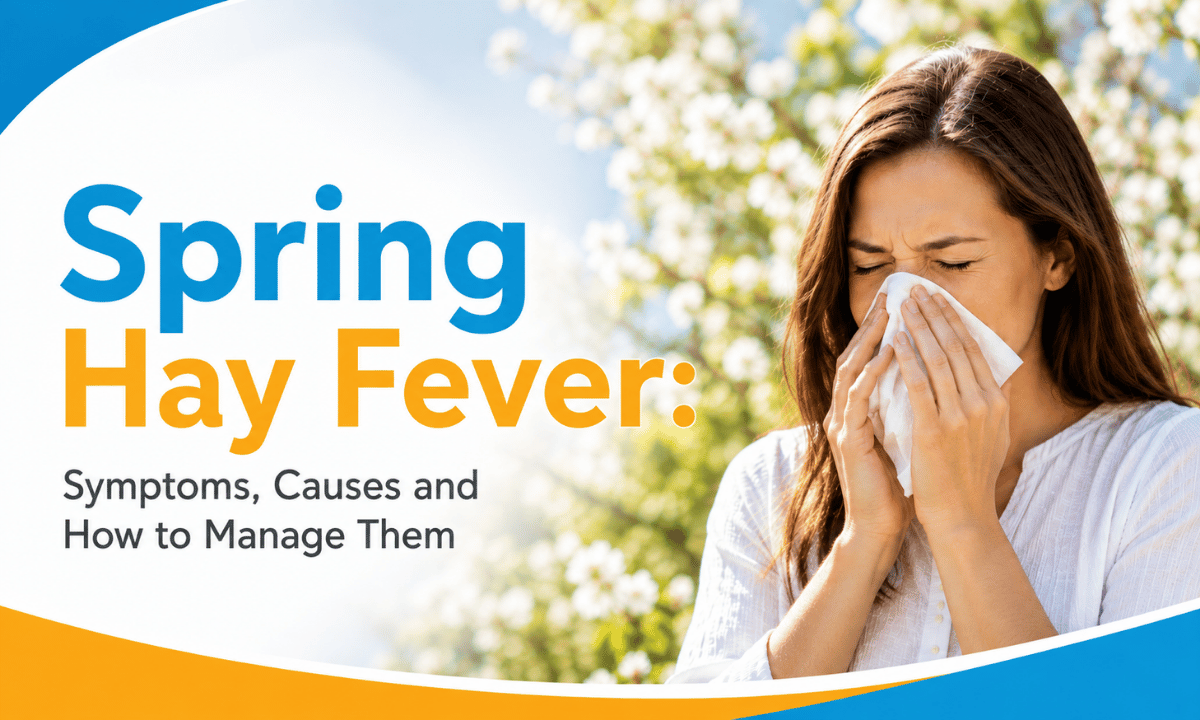
Spring brings warmer days, blooming gardens and more time outdoors—but for many Australians, it also brings sneezing, itchy eyes, a runny nose and that familiar feeling of having a cold that just won't go away.
These symptoms may be caused by hay fever, also known as allergic rhinitis. Hay fever is an allergic reaction to substances such as pollen, and it affects around 1 in 5 adults in Australia. Despite its name, hay fever isn't caused by hay and it doesn't cause a fever.
The good news is that there are practical ways to reduce your exposure to allergens and manage hay fever symptoms. From checking pollen levels and keeping pollen out of your home to speaking with your pharmacist about suitable treatments, a few simple changes can make spring more comfortable.
What is hay fever?
Hay fever, or allergic rhinitis, is an allergic reaction that occurs when your immune system reacts to an allergen such as pollen.
During spring, seasonal hay fever is commonly triggered by pollen from grasses, weeds and trees. When you breathe in pollen you're sensitive to, your immune system reacts, causing inflammation in the nose and other allergy symptoms.
Hay fever can occur at different times of the year depending on where you live and which allergens trigger your symptoms. Some people experience symptoms only during certain seasons, while others may experience allergic rhinitis throughout the year due to triggers such as dust mites, mould or animal dander.
Why does hay fever get worse in spring?
Spring is a common time for hay fever symptoms because pollen levels can increase as grasses, weeds and trees release pollen into the air.
Pollen is made up of tiny grains that can be carried by the wind. The amount of pollen in the air varies depending on the season, weather conditions and where you live.
For people who are sensitive to particular pollens, spending time outdoors during high-pollen periods can increase exposure and trigger symptoms.
This is why you might notice your hay fever becoming worse when you're gardening, mowing the lawn, walking through grassy areas or spending more time outside during spring.
What are the symptoms of hay fever?
The symptoms of hay fever can vary from person to person, but common symptoms include:
- Sneezing
- An itchy or runny nose
- A blocked nose
- Itchy or watery eyes
- Red eyes
- An itchy throat, ears or mouth
- Needing to clear your throat
- Mouth breathing
- Snoring
- A feeling that you have a cold that won't go away
For some people, hay fever symptoms can affect more than just their nose and eyes.
More severe or persistent symptoms can contribute to disrupted sleep, tiredness, difficulty concentrating and headaches.
If pollen is also triggering asthma symptoms, you may experience coughing or wheezing. If you're experiencing asthma symptoms, it's important to follow your asthma management plan and speak with your doctor or pharmacist if your symptoms are not well controlled.
Is it hay fever or a cold?
Hay fever and a cold can feel similar, particularly when you have a runny or blocked nose and frequent sneezing. However, there are some clues that may help you tell them apart.
Hay fever is more likely if:
- Your symptoms appear around the same time each year.
- You have itchy, watery or red eyes.
- Your nose and throat feel itchy.
- Symptoms appear after exposure to pollen or another known allergen.
- You don't otherwise feel unwell.
A cold is more likely if:
- Your symptoms are associated with a viral infection.
- You develop a sore throat, cough or other symptoms of a respiratory infection.
- You feel generally unwell.
- Symptoms aren't linked to a particular season or allergen.
However, symptoms can overlap, so it's not always possible to tell the difference based on symptoms alone.
If you're unsure what is causing your symptoms, a pharmacist can help you understand your options, while persistent or significant symptoms should be discussed with your doctor.
What causes hay fever?
Hay fever happens when your immune system reacts to an allergen.
Common triggers include:
Pollen
Seasonal hay fever is usually caused by pollen from:
- Grasses
- Weeds
- Trees
Pollen is particularly relevant during spring and summer, although the timing and types of pollen present can vary depending on where you live in Australia.
Dust mites
Dust mites are microscopic organisms commonly found in household environments. For people who are sensitive to them, exposure can cause allergic rhinitis symptoms throughout the year.
Mould
Mould can also trigger allergic symptoms in some people.
Animal dander
Animal fur or skin flakes can trigger allergic reactions in people who are sensitive to them.
Understanding your triggers can make managing hay fever easier because reducing exposure may help reduce symptoms.
How can you manage hay fever?
There isn't one solution that works for everyone. The best approach depends on your symptoms, your triggers and how significantly hay fever affects your everyday life.
Here are some practical ways to manage hay fever during spring.
1. Check pollen levels
If pollen is one of your triggers, checking the pollen forecast can help you plan your day.
On days when pollen levels are high, you may want to limit prolonged outdoor activities where practical, particularly if you know that certain types of pollen trigger your symptoms.
Healthdirect recommends staying indoors when it is windy and pollen levels are high, and taking extra care around thunderstorms if pollen triggers your symptoms.
2. Keep windows closed when pollen levels are high
Keeping your windows closed at home and in your car can help reduce the amount of pollen entering your environment.
If you're driving, using the car's recirculating air setting can also help reduce exposure to outdoor air.
3. Shower after spending time outdoors
Pollen can settle on your hair, skin and clothing.
After spending time outdoors during high-pollen periods, showering and rinsing your eyes with water can help remove pollen and reduce ongoing exposure.
4. Think about where you exercise
Outdoor exercise can increase your exposure to pollen, particularly when pollen levels are high.
If you regularly experience hay fever symptoms while exercising outdoors, consider checking pollen levels before heading out and choosing indoor activities when pollen exposure is likely to be high.
5. Be careful when mowing the lawn
Grass pollen can be a significant trigger for some people.
If possible, ask someone else to mow the lawn. If you need to do it yourself, consider wearing a suitable mask and avoiding mowing when pollen levels are high.
6. Don't bring unnecessary pollen indoors
Simple habits can help reduce pollen inside your home.
For example, avoid hanging clothes or bed linen outside to dry during periods of high pollen if you're sensitive to pollen.
7. Wear sunglasses outdoors
Wearing sunglasses can help reduce the amount of pollen that comes into contact with your eyes.
This can be particularly useful if itchy or watery eyes are one of your main hay fever symptoms.
8. Talk to your pharmacist about treatment options
If avoiding allergens isn't enough to control your symptoms, medicines may help.
Depending on your symptoms, a pharmacist or doctor may recommend options such as antihistamines, nasal sprays or eye drops.
Antihistamines work by blocking the action of histamine, a chemical involved in allergic reactions. They are available in different forms, including tablets, liquids, nasal sprays and eye drops.
Corticosteroid nasal sprays can reduce inflammation in the nose and may be particularly useful for managing allergic rhinitis. They generally need to be used regularly to work effectively and can take several days to start working.
Saline nasal sprays can also help relieve nasal symptoms.
The right option depends on your symptoms, age, other medicines and health conditions, so it's important to follow the product instructions and ask your pharmacist if you're unsure.
A note about decongestants
Decongestant nasal sprays and tablets can relieve a blocked nose, but they are not suitable for everyone.
Healthdirect advises that decongestant nasal sprays should not be used for more than a few days because prolonged use can make nasal symptoms worse. Decongestant tablets can also cause side effects, including increased blood pressure, and may not be suitable for people with certain health conditions.
Always follow the directions on the product and ask your pharmacist whether a particular medicine is suitable for you.
Can a pharmacist help with hay fever?
Yes. A pharmacist can provide advice about mild or occasional hay fever symptoms and help you choose an appropriate treatment option.
Your pharmacist can talk to you about your symptoms, how often they occur and which treatments may be suitable.
They can also help explain how to use medicines such as nasal sprays correctly. This can be particularly important because some nasal sprays need to be used regularly and correctly to provide the intended benefit.
Your local Chemsave pharmacist can also provide a range of professional pharmacy services beyond everyday medicine advice.
Book a service at your local Chemsave pharmacy →
Chemsave pharmacies offer services including health checks, medication management, vaccinations and private pharmacist consultations. Services vary between pharmacies, so check with your local store before visiting.
Find your nearest Chemsave pharmacy →
When should you see a doctor about hay fever?
Many people can manage mild or occasional hay fever without seeing a doctor.
However, it's a good idea to speak with your doctor if your symptoms are persistent, moderate or severe, particularly if they are affecting your sleep or your ability to work, study, exercise or enjoy everyday activities.
Healthdirect recommends speaking with a doctor when hay fever symptoms occur at least four days a week for four weeks or more, or when symptoms significantly affect your daily life.
You should also speak with your doctor if:
- Your usual hay fever treatment isn't helping.
- You're unsure what is causing your symptoms.
- You are experiencing asthma symptoms such as wheezing or difficulty breathing.
- Your symptoms are significantly affecting your sleep or daily activities.
- You think you may need allergy testing.
Allergy testing can help identify potential triggers, particularly when it's unclear what is causing your symptoms.
Seek urgent medical attention for severe allergic reactions
Hay fever itself is generally different from anaphylaxis, which is a severe and potentially life-threatening allergic reaction.
If someone develops symptoms such as difficulty breathing, swelling of the tongue, lips or face, throat tightness, wheezing, difficulty speaking, dizziness or collapse, call Triple Zero (000) immediately. If they have an adrenaline autoinjector and an allergy action plan, follow the plan.
Can hay fever be prevented?
You may not be able to completely prevent hay fever, particularly if you're allergic to pollen that's present in your environment.
However, reducing your exposure to known triggers can help reduce symptoms.
For seasonal pollen allergies, practical steps include:
- Checking pollen forecasts.
- Staying indoors when pollen levels are high, where practical.
- Keeping windows closed during high-pollen periods.
- Showering after spending time outdoors.
- Rinsing your eyes after outdoor exposure.
- Wearing sunglasses outside.
- Avoiding mowing grass when possible.
- Taking care not to bring pollen indoors on clothing and bedding.
The key is to understand what triggers your symptoms and take steps to reduce exposure where possible.
Frequently asked questions about spring hay fever
What is the fastest way to relieve hay fever?
Relief depends on your symptoms and the treatment that's appropriate for you. Antihistamines can help control allergy symptoms, while corticosteroid nasal sprays can reduce inflammation in the nose. Saline nasal sprays and eye drops may also help with particular symptoms. Speak with your pharmacist about which option may be appropriate for you.
How long does hay fever last?
Hay fever can last for as long as you're exposed to the allergen that triggers your symptoms. Seasonal hay fever may occur during particular times of the year, such as spring or summer, while allergies to year-round triggers can cause symptoms throughout the year.
Is hay fever the same as an allergy?
Hay fever is a type of allergy called allergic rhinitis. It occurs when your immune system reacts to an allergen, commonly pollen.
Can hay fever cause a blocked nose?
Yes. A blocked nose is one of the common symptoms of hay fever, along with sneezing and an itchy or runny nose.
Can hay fever cause itchy eyes?
Yes. Itchy, watery and sometimes red eyes are common symptoms of hay fever and pollen allergy.
Can hay fever make you tired?
It can. Severe or persistent hay fever may interrupt your sleep, which can contribute to tiredness during the day and difficulty concentrating.
Is hay fever worse in spring?
For people with seasonal allergies, spring can be a particularly challenging time because pollen from grasses, weeds and trees can trigger symptoms. However, the timing and severity of pollen exposure varies depending on where you live and which pollens you're sensitive to.
Should I see a pharmacist for hay fever?
If your symptoms are mild or occasional, a pharmacist can provide advice about suitable treatment options. If symptoms are persistent, moderate or severe, or are affecting your sleep and everyday activities, speak with your doctor.
Get help managing your health this spring
Hay fever doesn't have to mean spending the whole spring sneezing and rubbing your eyes. Understanding your triggers, reducing pollen exposure and choosing appropriate treatment can help you manage symptoms and get back to enjoying the warmer months.
If you're unsure which treatment is right for you, speak with your local pharmacist. Your Chemsave pharmacist can provide advice about suitable options and help you understand how to use certain medicines correctly.
Need to speak with a pharmacist?
Looking for your nearest pharmacy?
Health information in this article is provided for general information only and is not a substitute for individual medical advice. Always read the label and use medicines as directed. If symptoms persist or you are concerned about your health, speak with your pharmacist or doctor.