Cold Sores: What are they and how to treat them?
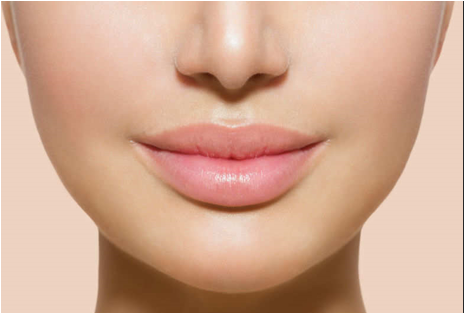
Cold sores, also known oral herpes, are very common. They usually appear as red bumps or blisters around the lips and mouth. Cold sores usually resolve on their own without treatment in 8-10 days.
WHAT ARE COLD SORES:
About 9 out of 10 adults have been infected with the herpes simplex virus (HSV-1) at some stage, and once infected it does not leave the body. However, only 1/3 of these people will have to experience recurrent cold sores. Cold sores, also known oral herpes, are very common. They usually appear as red bumps or blisters around the lips and mouth. Cold sores usually resolve on their own without treatment in 8-10 days.
There are 5 stages of a cold sore
- The Tingle (Day 1) - Most people experience localised itching, burning or tingling a day or two before the cold sore appears, that could last for a few hours. This is the virus reactivating.
- Blister stage (Day 2-4) – around 24 hours later a collection of small blisters form that are red, fluid-filled, painful lumps, containing millions of virus particles. The area may become swollen.
- Ulcer stage (Day 4) The blisters burst and a sore or ulcer is formed with a red ring surrounding it. The area is painful and inflamed.
- Scabbing Stage (Day5-8) A yellow/brown scab or crust is formed over the sore. As the skin starts to heal it may feel tight or itch.
- Healing Stage (Day 8-10) The scab starts to flake off, revealing pink healed skin underneath.
HOW DO COLD SORES SPREAD?
The Herpes Simplex Virus is spread through direct skin-to-skin contact, even when blisters are not present. Most people first contract the cold sore virus (HSV-1) when they children, usually by skin-to-skin contact with an adult carrying the virus. The virus can spread in various ways: through kissing, or by sharing objects like toothbrushes, water bottles, drinking glasses, and silverware.
COLD SORE TRIGGERS
Cold sores tend to appear when we are run down, after having a cold or flu, but individuals can vary with what can trigger them. Knowing and avoid triggers is one way of preventing a cold sore occurrence.
Triggers include:
- feverish illnesses, like influenza, or chest infections
- exposure to sunlight
- fatigue, emotional or physical stress
- hormonal changes, like a menstrual period
- an injury to the mouth or a dental procedure
COLD SORE TREATMENT:
- Anti-viral cold sore creams containing Aciclovir can help the cold sore clear up more quickly, particularly if applied when you first notice symptoms, such as a tingling sensation. Aciclovir should be applied five times a day for around 5 days.
- Painkillers such as paracetamol or ibuprofen may be used to ease any pain or discomfort. Additionally, ice wrapped in a clean paper towel may be applied to help reduce swelling and burning.
- Povidone-Iodine ointments can also be applied to the sore to help control symptoms.
- Avoid picking the scab or breaking blisters as this can cause secondary infection with bacteria, or scarring. If you do touch the sores, wash your hands to prevent the infection spreading.
- Avoid rubbing the eyes after touching a cold sore as this could lead to a serious eye infection.
- Don't share any objects that may have been in contact with the virus such as a lipstick or lip-gloss, razor, face towel or cutlery.
- Use a lip balm with SPF to protect lips against sunlight as a trigger.
Your Chemsave pharmacist can help diagnose and recommend the most suitable treatment for a cold sore for you. Speak to your Chemsave pharmacist for the best advice and products for your whole family.
References:
https://www.betterhealth.vic.gov.au/health/conditionsandtreatments/cold-sores
https://www.mydr.com.au/skin-hair/cold-sore-infections
https://www.healthdirect.gov.au/cold-sore-treatments
ttps://www.zovirax.com.au/about-cold-sores/cold-sore-stages
Posted in: Health hub