
Nutrient Requirements for a Healthy Pregnancy
Pregnancy and breastfeeding places an increased demand on a mother’s nutrition. A recent study (Australian Longitudinal study on Women’s Health) has shown that only 50% of pregnant women adhere to the recommended intake of fruit and even fewer achieved the recommended intake of other food groups. D
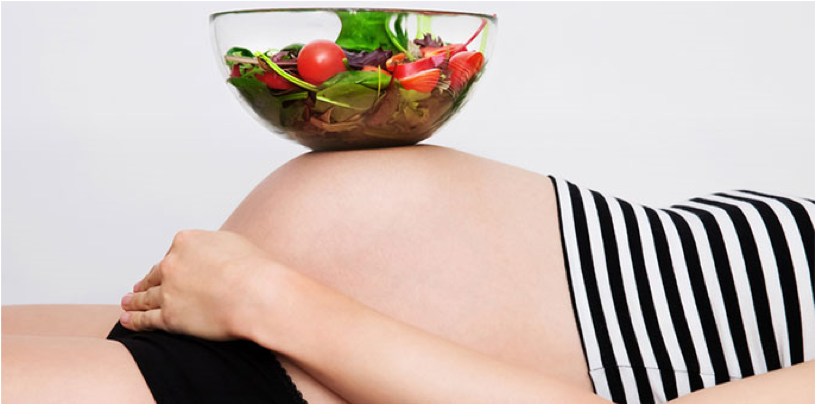
Pregnancy and breastfeeding places an increased demand on a mother’s nutrition. A recent study (Australian Longitudinal study on Women’s Health) has shown that only 50% of pregnant women adhere to the recommended intake of fruit and even fewer achieved the recommended intake of other food groups.
Diet throughout a pregnancy, should be healthy, balanced and not necessarily be eating for two! Calorie intake requirements remain the same for the first trimester, and only slightly increase in the second and third. It is therefore important for pregnant women to boost their nutrient intake rather than calories.
So what nutrients are important for a healthy pregnancy…
Protein and Omega 3
Protein needs increase considerably from the second trimester and during breastfeeding, from 46g/day to 60g/day in 2nd/3rd trimester and 67g/day in breastfeeding. Aiming to eat 2-3 serves of protein a day should help achieve this. Lean meat, poultry, fish and eggs are great sources of protein. Other options include beans and peas, nuts, seeds and soy products. Although overall fat intake does not need to change, the proportion of omega three long chain fatty acids should be improved.
Folic Acid and Iodine
Most women realise that folic acid supplementation is essential, however iodine is also a micronutrient that which is essential to be supplemented.
Folic acid helps protect against neural tube defects (NTD) in the developing baby, and is recommended to be started one month before, and during the first three months of pregnancy. The recommended dose is 400mcg, however a higher dose may be required if there is a known risk of NTD, has pre-existing diabetes, is overweight, or is taking some types of epilepsy medication
Iodine is important for thyroid function and healthy brain development, and a deficiency can cause increase a risk of miscarriage and birth defects. A mother’s iodine requirements increase by 50% in the first trimester, and more during breastfeeding. A supplement containing 150mcg is recommended for all pregnant women to meet this demand.
Vitamin B12
B12 plays an important role in red blood cell production, other pathways for protein, fat and carbohydrates. Recent studies have shown that lower maternal B12 levels can lead to an increase risk of preterm birth. Supplements should be considered by pregnant women who are vegetarian or vegan.
Calcium & Vitamin D
Calcium is essential for bone development, and so adequate intake is important during pregnancy and breastfeeding. Surprisingly, the RDI of calcium does not increase in pregnancy, as women become better at absorbing calcium to meed the additional needs for the baby. However, women who avoid dairy, without eating alternative high calcium foods should take a supplement of 1000mg per day.
Vitamin D deficiency is common in women aged 18-35, with 1/3 having low levels. Low levels can increase the risk of impaired bone development, as well as other complications like pre-eclampsia and low birth weights. Women, who are at risk of vit D deficiency (those having dark skin, reduced sunlight exposure, being overweight) should consider having their levels tested and take supplements accordingly.
Iron
Iron plays an essential role in oxygenation and growth and development, with requirements increasing in pregnancy. Iron and haemoglobin levels are usually checked during pregnancy, and supplements taken by those with low levels. Women who are vegetarians, pregnant with more than one baby, or those with consecutive pregnancies (less than a year), are more likely to need a supplement.
A well-balanced diet, with a wide variety of healthy foods is important to make sure that the nutritional needs of both mother and baby are met. Pregnancy and breastfeeding can place extra nutritional demands, that may require supplementation.
Your Chemsave Pharmacist is able provide you with sound advice on selecting the best vitamins during pregnancy and breastfeeding. If you have any additional questions about how to help you or family members get the most out of their health, or if you'd like to learn more about any of the related products or services that we offer, contact us at Chemsave today.
References:
https://www.thewomens.org.au/health-information/pregnancy-and-birth/a-healthy-pregnancy/food-nutrition-in-pregnancy/
https://www.americanpregnancy.org/pregnancy-health/nutrients-vitamins-pregnancy/
https://www.betterhealth.vic.gov.au/health/healthyliving/pregnancy-and-diet
Maternal diet and nutrient requirements in pregnancy and lactation by Dr Denise Furnes (AJP October 2018)
Posted in: Health hub